10th BSEC Month of Culture
1-30 November 2026
Monuments – Hellenic Republic
In 2025, the Minoan Palatial Centres were inscribed on the UNESCO World Heritage List of cultural sites.
This serial property consists of six archaeological sites (Knossos, Phaistos, Malia, Zakros, Zominthos and Kydonia) located on the island of Crete, Greece.
Dating from 1900 BCE to 1100 BCE, these sites are the most representative expression of the Minoan Civilisation, which flourished in the Eastern Mediterranean over the course of two millennia (2800-1100 BCE), characterised by advanced social organisation, architectural ingenuity, and significant artistic achievements.
Distributed across Crete, the Minoan Palatial Centres were central to Minoan society, functioning as administrative, economic, religious and cultural hubs. The monumental architecture was carefully adapted to the counters and characteristics of the natural landscape, with intricate internal organisation, advanced urban planning, and cultural innovations reflecting a complex society.
The sophistication of the Minoan architecture, the material evidence of early writing systems and of maritime networks and interactions of the Minoans with other Mediterranean cultures, as well as their mythological legacy, all have had a long-lasting cultural and intellectual influence on art and culture that continues to this day.
Sources and images taken from: https://whc.unesco.org/en/list/1733
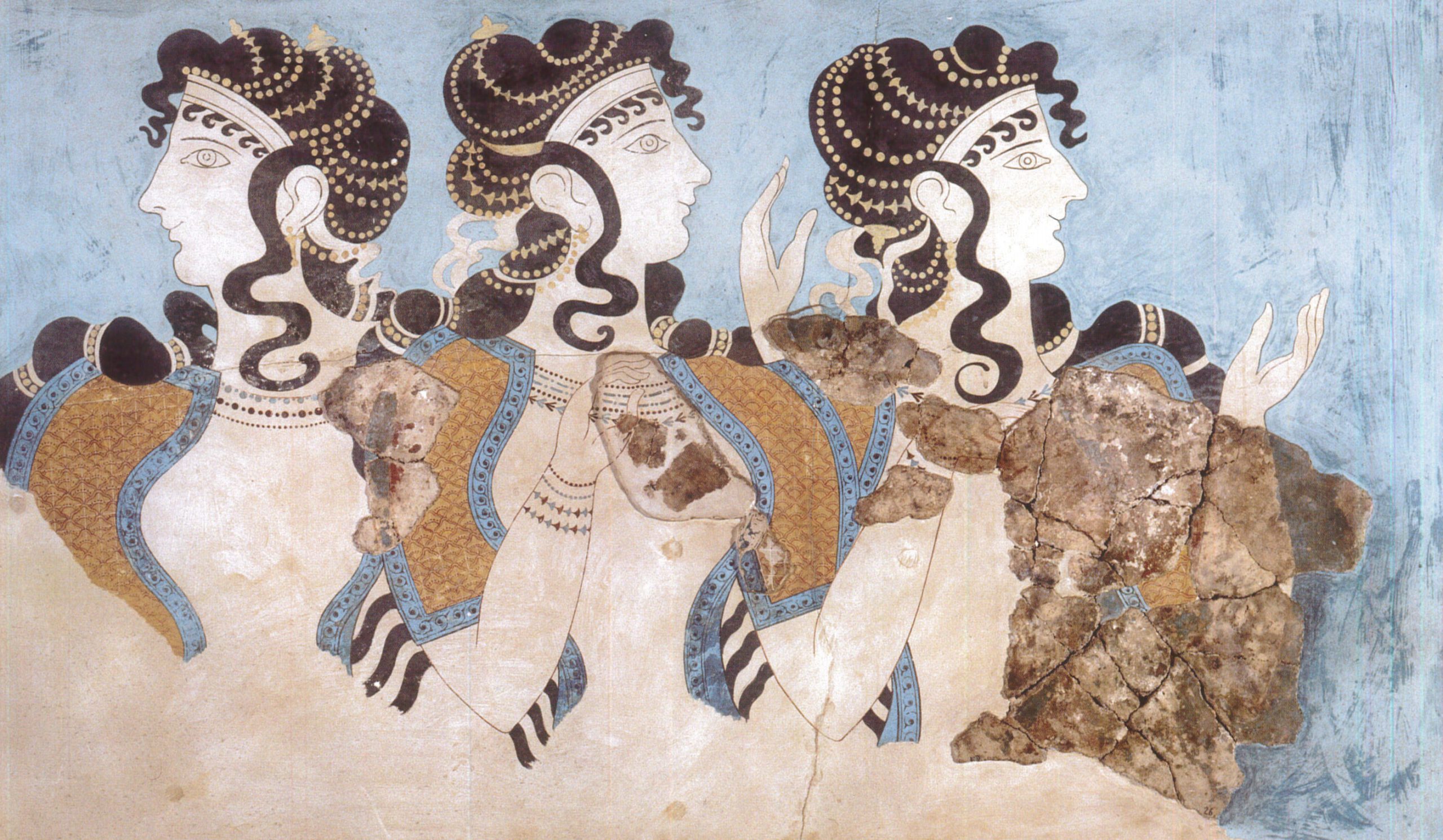
Image No 1: Knossos palatial centre. Wall paintings. © Ministry of Culture
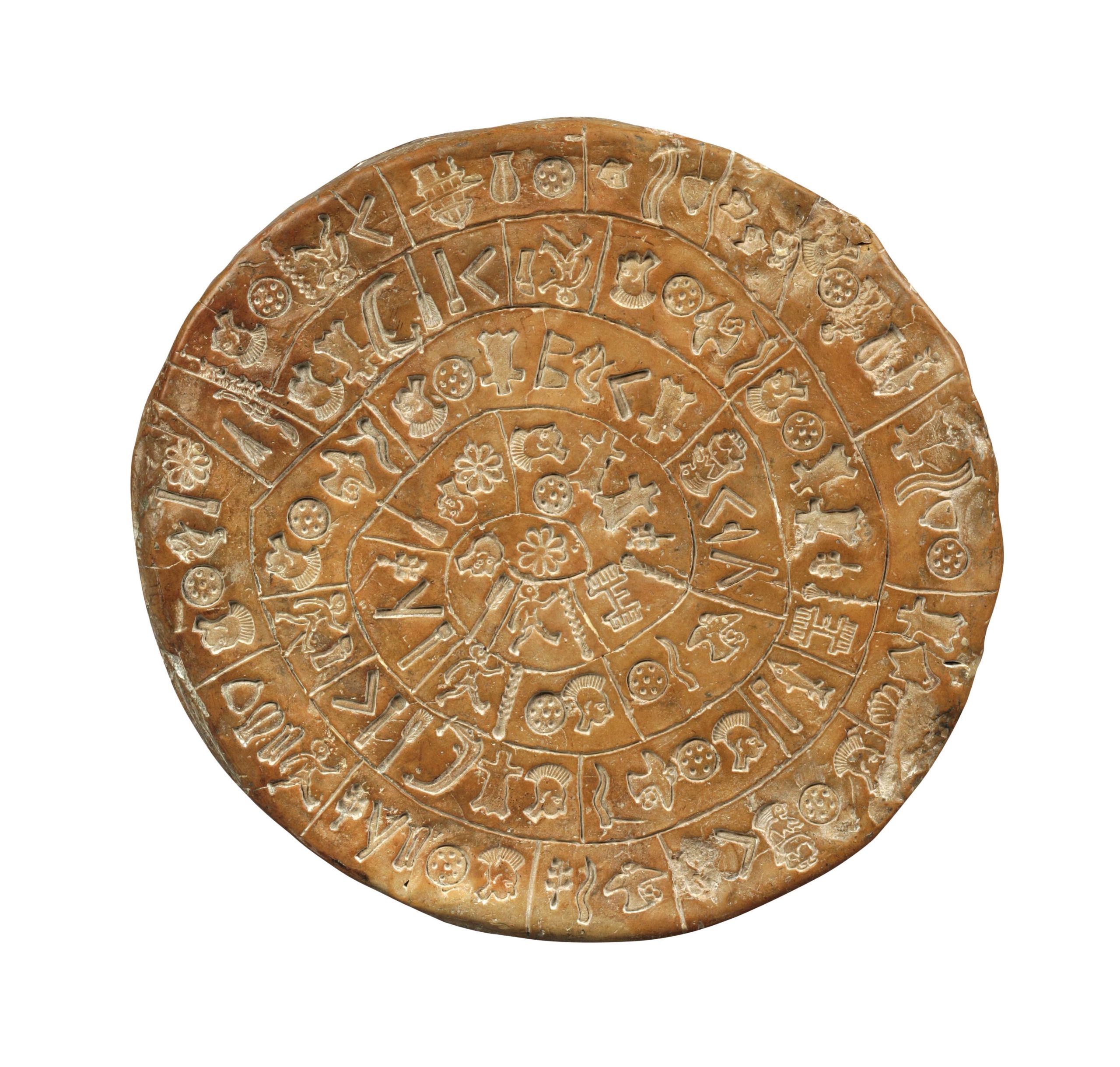
Image No 2: The clay disc of Phaistos with inscribed pictograms, (1700-1650 B.C.). © Ministry of Culture│ Ioannis Patrikianos
#ICBSS #MoC2026 #CultureBSEC #Greece #Monuments